What is it?
Bilateral integration is the coordination of the two sides of the body. It involves the ability to use both sides of the body simultaneously in a coordinated efficient manner, during symmetrical, alternating, or asymmetrical tasks or activities.
Why is bilateral coordination important?
Bilateral Integration is an important foundation for the development of many gross and fine motor skills where the left and right sides of the body need to work as a team.
This includes efficient movement and balance, climbing on equipment, playing with Lego, threading beads, cutting, drawing, manipulative hand skills, catching a ball, or riding a bike.
It influences our daily life skills both for academic learning as well as daily tasks, such as climbing stairs, doing-up shirt buttons, eating with a knife and fork and all activities that require stabilising and “putting together”.
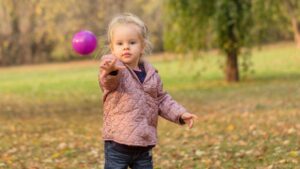
To cross the body midline, we need to have smooth and efficient bilateral coordination. This smooth coordination takes loads of practice to master, and so it’s important for children to have many bilateral play experiences in the early years. From ball playing, to climbing on jungle gyms, to helping with housework including folding, shaking bedding, stirring when baking, or sweeping with a dustpan and brush.
How do we promote bilateral integration?
Movements to promote bilateral integration
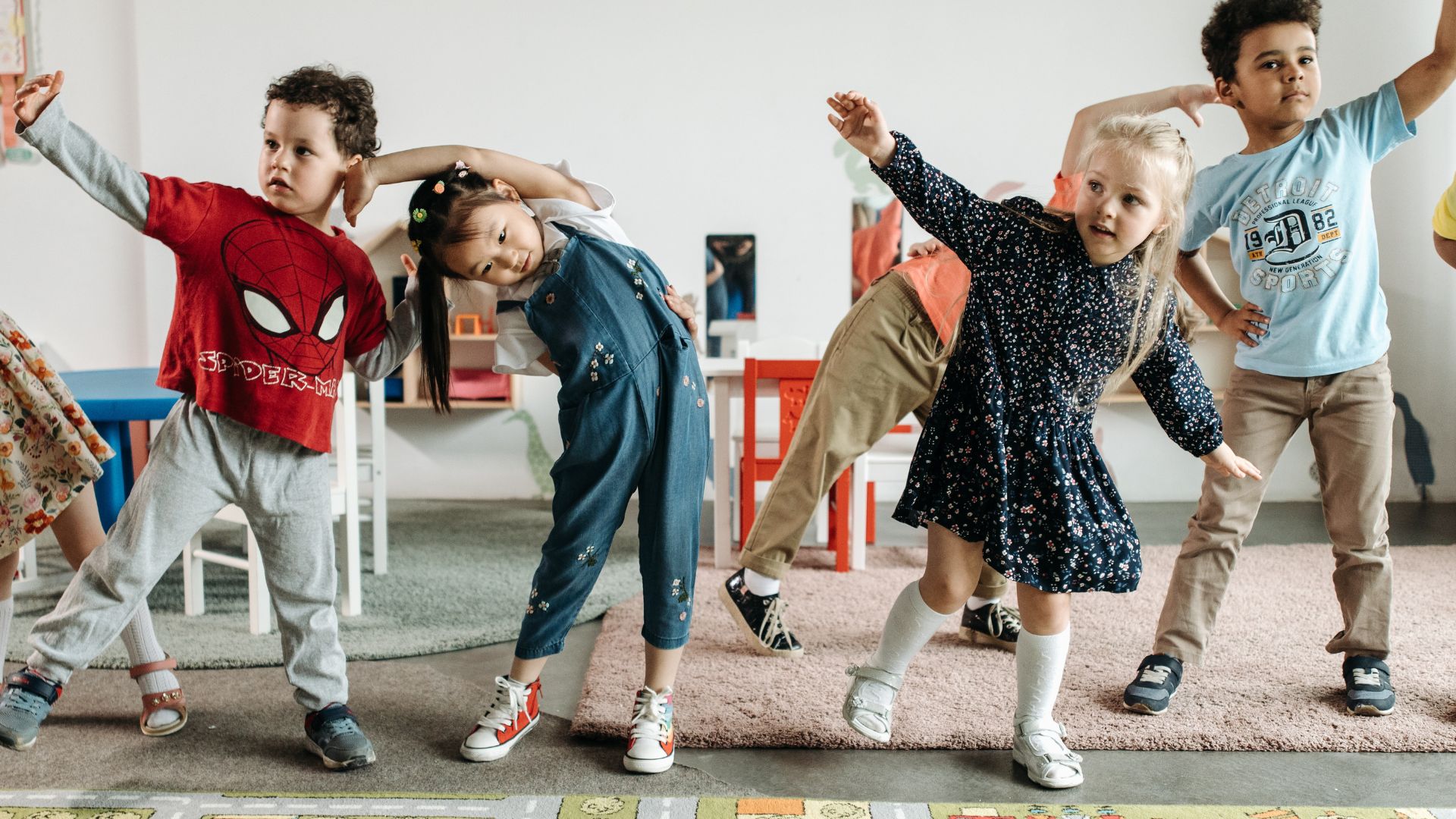
Where both sides of the body do the same action at the same time. This includes jumping with both feet, doing forward rolls, star jumps, pushing a ball away with both hands, catching or clapping hands.
ü Alternating movements
Where the left and right side of the body do the same movements but in an alternating pattern. Crawling, marching, skipping, climbing a ladder, kicking feet, swinging arms, playing pat-a-cake by alternating patting hand movements and performing rhythmical activities.
ü Asymmetrical movements
When each side of the body learns to perform a different action, but both these actions are necessary for the task. So each body side performs a different action at the same time.

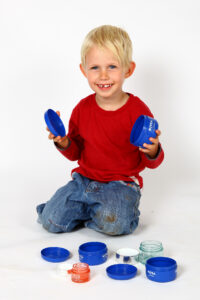
One hand holds the bowl and the other hand stirs, one hand screws and the other hand stabilises, one hand holds the paper and the other hand writes, peeling a banana, drying dishes etc. This can also include the top half of the body doing one thing while the bottom half does something else such as riding on a scooter bike. The top half of the body is involved in steering and the bottom half is involved in pushing the feet off the ground.
Gross motor games to promote bilateral integration
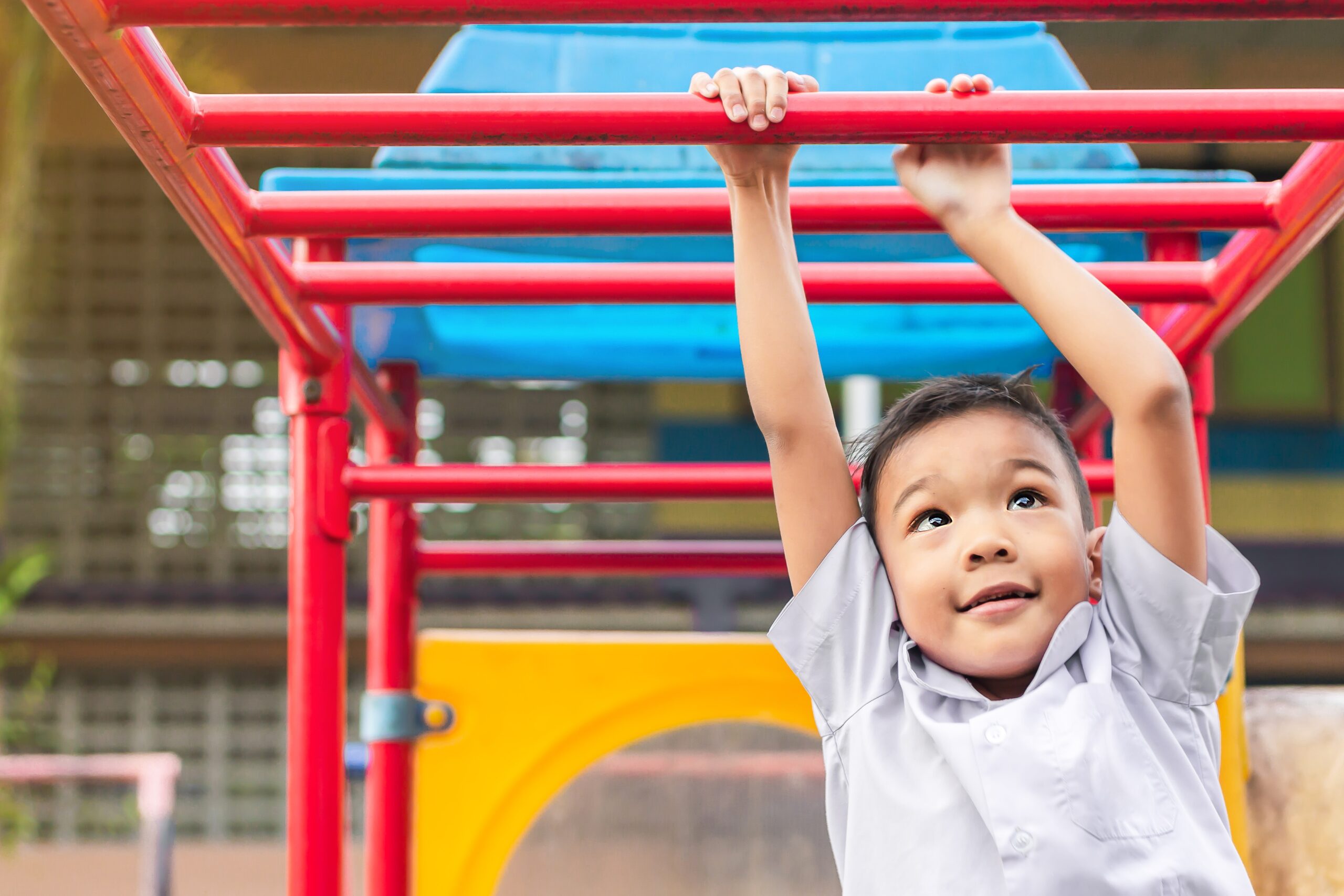
· Crawling, creeping, and climbing over different surfaces, heights, widths, and textures.
· Ball games – Rolling, batting, swiping, catching, and throwing.
· Jumping – Star jumps and jumping in sacks
· Swimming
· Pushing and pulling using two hands – large pillows, duvets, trolleys, light furniture, or tug of war games
· Animal walks galore! Rabbit jumps, elephant walks, froggy hops
· Riding on scooters or tricycles
· Pillow fights using both hands to hold the pillow
Fine motor games to promote bilateral integration
· Threading beads and shoelaces through holes.
· Cutting, tearing, folding, and squeezing paper.
· Unwrapping gifts.
· Playing with snapper beads, Lego, or Duplo.
· Drawing on chalkboards or large pieces of paper, encouraging the child to draw using big movements with both hands.
· Finger painting on large surfaces, using both hands and encouraging big movements. Pat, scrape, make circles with the paint.
· Finger rhymes such as Incy Wincy Spider, Roly Poly Hands, Wheels on the Bus.
Household games to promote bilateral integration
· Raking and sweeping, mopping, or washing the floor.
· Washing and drying dishes.
· Folding linen.
· Shaking the bedclothes.
· Wrapping big objects up or wrapping gifts.
· Kitchen play – Mixing with flour and water or sand and water. Using different utensils to mix with, such as spoons, whips, eggbeaters, or a fork. Rolling with a rolling pin, cutting pastry.
Musical games to promote bilateral integration
· Banging drums. Make your own using an old formula or cake tin and some dowel sticks or wooden spoons.
· Clanging the cymbals – Make your own out of two tin foil plates and string tied to the center of the plate, or by using the lids of two pots.
· Playing the triangle, xylophone, or piano.
· Making body sounds – Clapping hands, tapping feet, and patting the hands onto the legs.
STREAM our Kids Action Songs to promote Bilateral Integration:
· Tap Tap
· Roly poly bird
· The wheels on the bus
· We’re all marching
· Take out all the pots